Introduction
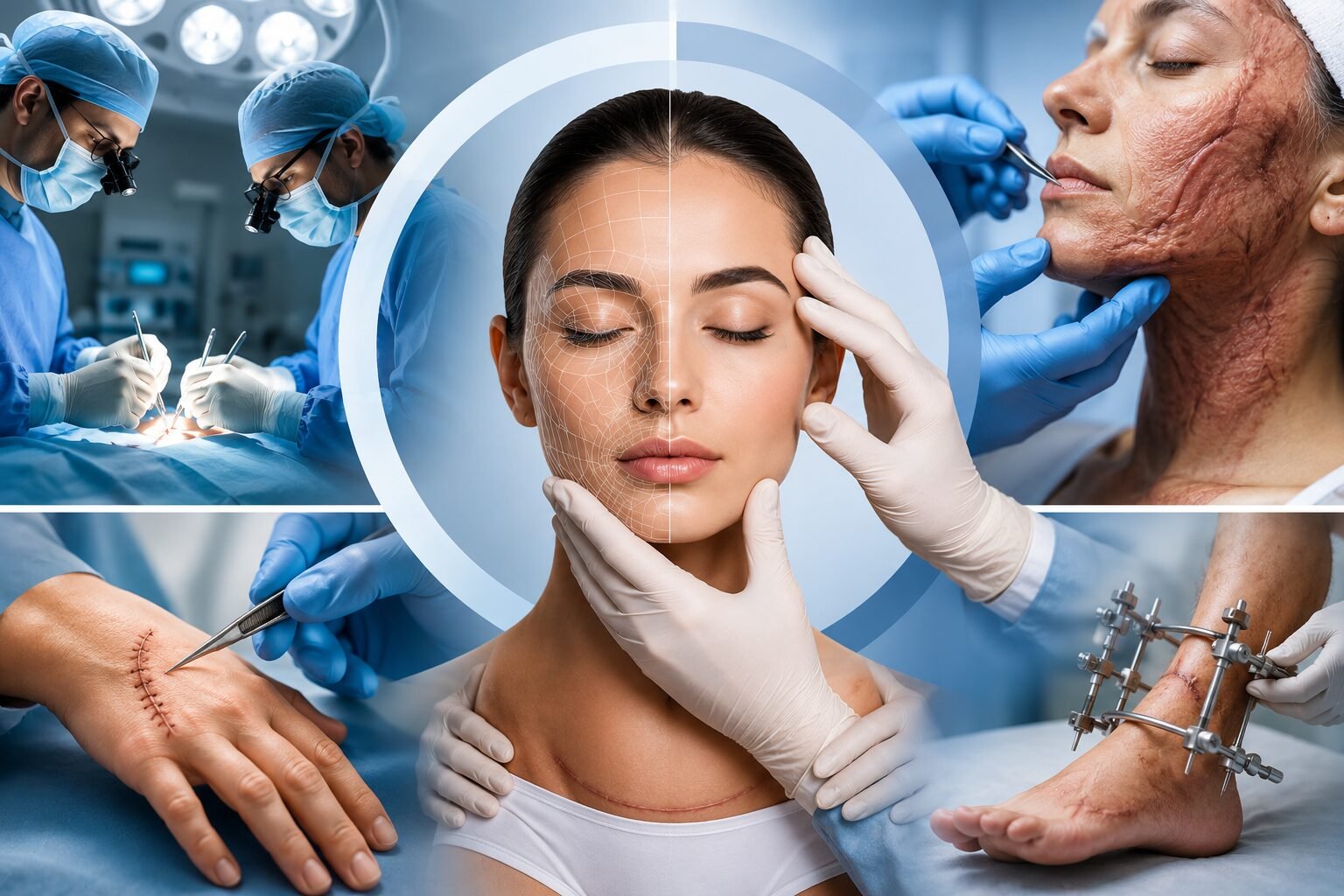
Modern medicine has transformed countless lives through innovations in surgery, and one of the most impactful specialties is reconstructive surgery. While many people are familiar with cosmetic surgery, reconstructive surgery serves a different yet equally important purpose—restoring normal function, repairing damaged tissues, and helping patients regain confidence after illness, injury, or congenital conditions.
For individuals who have experienced traumatic accidents, severe burns, cancer surgeries, chronic wounds, or birth defects, reconstructive surgery can be life-changing. It not only improves physical appearance but also restores essential functions such as speaking, eating, walking, breathing, and using affected body parts effectively. Today, advanced reconstructive surgery techniques allow surgeons to achieve outcomes that were once considered impossible. Through microsurgery, tissue transfer, advanced wound reconstruction, and specialized surgical procedures, patients can recover both function and quality of life.
In this comprehensive guide, we’ll explore what reconstructive surgery is, who may need it, the latest techniques transforming patient outcomes, and how specialized reconstructive procedures are changing lives every day.
What Is Reconstructive Surgery?
Reconstructive surgery is a specialized branch of plastic surgery focused on repairing and restoring damaged, injured, or abnormal parts of the body.
Unlike cosmetic surgery, which primarily enhances appearance, reconstructive surgery aims to:
• Restore normal function
• Improve physical structure
• Repair damaged tissues
• Correct deformities
• Improve mobility
• Enhance quality of life
• Support emotional well-being
The ultimate goal is to help patients return to their daily lives with improved function and confidence.
Reconstructive procedures can be performed on almost any part of the body, including:
• Face
• Head and neck
• Hands
• Breasts
• Lower limbs
• Upper limbs
• Skin and soft tissues
Reconstructive Surgery vs Cosmetic Surgery
Many people confuse reconstructive surgery with cosmetic surgery. Although both are performed by plastic surgeons, their objectives differ significantly.
Reconstructive Surgery
Focuses on:
• Medical necessity
• Functional restoration
• Tissue repair
• Correcting abnormalities
• Treating trauma-related injuries
Cosmetic Surgery
Focuses on:
• Aesthetic enhancement
• Facial rejuvenation
• Body contouring
• Appearance improvement
In many cases, reconstructive surgery also improves appearance, but its primary objective is restoring function and normal anatomy.
Who Needs Reconstructive Surgery?
Reconstructive surgery can benefit individuals of all ages. Patients may require treatment due to congenital conditions, disease, trauma, or surgical removal of tissues.
Let’s explore some of the most common reasons patients undergo reconstructive procedures.
1. Trauma and Accident Victims
Road traffic accidents, workplace injuries, sports injuries, and other traumatic incidents can cause significant damage to skin, muscles, bones, nerves, and blood vessels.
Common injuries requiring reconstruction include:
• Facial fractures
• Soft tissue loss
• Hand injuries
• Limb injuries
• Crush injuries
• Complex wounds
Advanced reconstructive surgery can help restore both appearance and function after severe trauma.
For many patients, reconstruction is not simply about aesthetics—it allows them to return to work, regain independence, and resume daily activities.
2. Burn Survivors
Burn injuries can result in:
• Skin loss
• Scar contractures
• Functional limitations
• Facial deformities
Severe burns often require multiple reconstructive procedures to improve mobility and appearance.
Burn reconstruction may involve:
• Skin grafting
• Tissue expansion
• Scar revision
• Contracture release
• Microsurgical reconstruction
These procedures help patients regain movement, reduce discomfort, and improve overall quality of life.
3. Cancer Patients
Cancer treatment often requires surgical removal of tumors, which can leave significant defects.
Common cancers requiring reconstruction include:
• Breast cancer
• Oral cancer
• Head and neck cancers
• Skin cancers
• Bone tumors
After tumor removal, reconstructive surgery helps restore:
• Appearance
• Function
• Speech
• Swallowing ability
• Mobility
Modern reconstruction plays a crucial role in comprehensive cancer care.
4. Patients with Congenital Conditions
Some individuals are born with structural abnormalities that affect appearance or function.
Examples include:
• Cleft lip
• Cleft palate
• Ear deformities
• Craniofacial abnormalities
• Hand deformities
Early reconstructive intervention often improves long-term outcomes and helps children develop normally.
5. Chronic Wounds and Diabetic Foot Problems
Non-healing wounds can become serious medical concerns.
Common causes include:
• Diabetes
• Pressure sores
• Vascular disease
• Trauma
Advanced wound reconstruction can help:
• Promote healing
• Prevent infection
• Preserve limbs
• Improve mobility
Patients with diabetic foot ulcers frequently benefit from specialized reconstructive procedures designed to restore healthy tissue and support wound healing.
Advanced Reconstructive Surgery Techniques Changing Lives
Modern reconstructive surgery has evolved dramatically over the past decade. Today’s surgeons have access to sophisticated techniques that offer better outcomes and faster recovery.
Let’s explore some of the most advanced methods transforming patient care.
Microsurgery
Microsurgery is one of the most significant breakthroughs in reconstructive surgery.
Using specialized instruments and high-powered microscopes, surgeons can reconnect:
• Tiny blood vessels
• Nerves
• Lymphatic channels
Microsurgery allows tissue to be transferred from one part of the body to another while maintaining blood supply.
Benefits include:
• Improved healing
• Better functional outcomes
• Enhanced tissue survival
• More natural reconstruction
Microsurgery is commonly used in:
• Cancer reconstruction
• Limb salvage
• Trauma reconstruction
• Breast reconstruction
Free Flap Reconstruction
Free flap surgery involves transferring healthy tissue from one area of the body to another.
The transferred tissue may include:
• Skin
• Fat
• Muscle
• Bone
This technique is particularly valuable when large amounts of tissue have been lost due to:
• Cancer
• Trauma
• Infection
Free flap reconstruction often provides excellent functional and aesthetic results.
Skin Grafting
Skin grafting remains a highly effective technique for treating:
• Burns
• Traumatic injuries
• Chronic wounds
Healthy skin is harvested from one area and placed over the affected region.
Benefits include:
• Faster wound closure
• Reduced infection risk
• Improved healing
Tissue Expansion
Tissue expansion is commonly used when nearby skin matches the color and texture needed for reconstruction.
A balloon-like device is inserted beneath the skin and gradually expanded over time.
This creates additional tissue that can later be used for reconstruction.
Common applications include:
• Scalp reconstruction
• Facial reconstruction
• Scar revision
Scar Revision Surgery
Scarring can affect both appearance and function.
Advanced scar revision techniques help:
• Improve scar appearance
• Restore movement
• Reduce discomfort
• Enhance confidence
Many burn survivors and trauma patients benefit significantly from scar revision procedures.
Facial Reconstruction
Facial injuries and defects can have profound emotional and social effects.
Facial reconstruction may address:
• Trauma-related injuries
• Cancer defects
• Congenital abnormalities
• Facial asymmetry
Modern techniques focus on achieving:
• Natural appearance
• Facial balance
• Functional restoration
Limb Salvage Surgery
In the past, severe injuries often resulted in amputation.
Today, advanced reconstructive techniques allow surgeons to save limbs that would once have been considered unsalvageable.
Limb salvage procedures may involve:
• Bone reconstruction
• Microsurgery
• Soft tissue reconstruction
• Nerve repair
These procedures help preserve mobility and independence.
Benefits of Reconstructive Surgery
The impact of reconstructive surgery extends far beyond physical appearance.
Functional Restoration
Patients regain essential abilities such as:
• Walking
• Speaking
• Eating
• Breathing
• Using their hands
Improved Quality of Life
Successful reconstruction allows patients to return to:
• Work
• Social activities
• Family life
Psychological Well-Being
Many patients experience increased confidence and emotional recovery after reconstruction.
Enhanced Mobility
Reconstructive procedures often restore movement and reduce physical limitations.
Recovery After Reconstructive Surgery
Recovery varies depending on:
• Type of procedure
• Patient health
• Surgical complexity
Most recovery plans include:
Wound Care
Proper wound management is critical for healing.
Physical Therapy
Rehabilitation helps restore:
• Strength
• Flexibility
• Function
Follow-Up Care
Regular appointments ensure optimal healing and early identification of any concerns.
Lifestyle Adjustments
Patients are encouraged to:
• Eat nutritious foods
• Stay hydrated
• Avoid smoking
• Follow medical instructions carefully
Choosing the Right Reconstructive Surgeon
Successful outcomes depend heavily on the expertise of the surgeon.
Patients should look for:
• Specialized training
• Extensive experience
• Microsurgical expertise
• Advanced reconstructive skills
• Patient-centered care
A skilled reconstructive surgeon develops individualized treatment plans based on each patient’s unique needs and goals.
Why Patients Trust Dr Amar Raghu for Reconstructive Surgery
For individuals searching for the Best Cosmetic and Plastic Surgeon in Financial District Hyderabad, Dr Amar Raghu is known for his expertise in advanced plastic, cosmetic, and reconstructive surgery.
His practice focuses on helping patients recover from:
• Trauma injuries
• Burn deformities
• Cancer-related defects
• Chronic wounds
• Diabetic foot complications
• Complex soft tissue defects
With experience in advanced reconstructive procedures, microsurgery, wound management, and functional restoration, Dr Amar Raghu provides personalized treatment plans designed to achieve optimal outcomes.
His approach combines modern surgical techniques with patient-focused care, ensuring that every patient receives comprehensive treatment tailored to their specific condition.
Conclusion
Reconstructive surgery is far more than a medical procedure—it is a pathway to healing, recovery, and renewed confidence. Whether addressing trauma, burns, cancer defects, congenital abnormalities, or chronic wounds, reconstructive surgery restores function and improves lives in meaningful ways.
Advancements such as microsurgery, free flap reconstruction, tissue transfer, skin grafting, and limb salvage procedures have revolutionized patient care, offering hope where limited options once existed.
If you or a loved one is considering reconstructive surgery, seeking care from an experienced specialist can make a significant difference in both functional and aesthetic outcomes. With the right expertise, modern reconstructive surgery can help patients reclaim their independence, restore their confidence, and move forward with a better quality of life.